
Pyntekvister, a captivating art form that weaves together history, culture, and creativity, is making waves in the world of crafts. Originating from Scandinavian traditions, these intricate paper decorations have been enchanting generations with their delicate designs and vibrant colors. Whether you’re an experienced artisan or a curious beginner, Pyntekvister offers something special for everyone. In this blog post, we will delve deep into its origins and techniques while exploring how you can incorporate this stunning craft into your home decor. Get ready to unravel the beauty of Pyntekvister!
The History and Origins of Pyntekvister
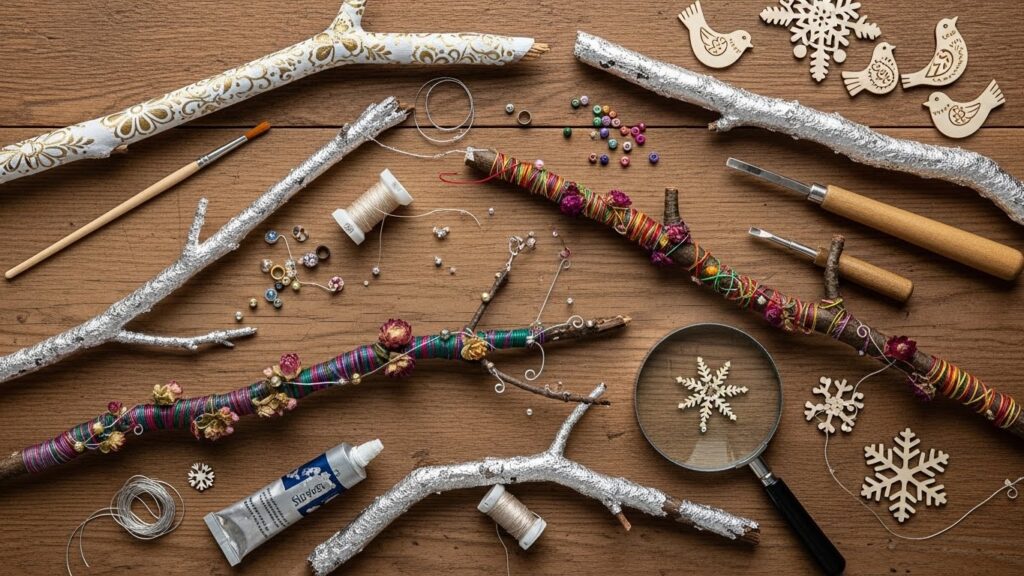
Pyntekvister has roots deeply embedded in Scandinavian culture. This traditional craft dates back centuries, originating primarily from Norway and Sweden. The name itself combines “pynt,” meaning decoration, and “kvist,” referring to twig or branch.
Historically, these charming decorations were created for festive occasions. Families would gather to make Pyntekvister as part of their holiday preparations. It was a way to bond while embracing creativity.
The handcrafted pieces often showcased intricate designs that reflected nature’s beauty. Twigs were artfully arranged with colorful ribbons and natural elements like berries or dried flowers.
As time passed, the craft evolved but retained its cultural significance. Today, Pyntekvister represents both heritage and a connection to simpler times when craftsmanship flourished in everyday life.
The Traditional Technique of Making Pyntekvister
The traditional technique of making Pyntekvister is a beautiful blend of art and craftsmanship. Originating from Scandinavian folk traditions, this intricate craft involves weaving colorful strips of paper or fabric into delicate patterns.
Artisans begin by selecting vibrant colors, which are essential to achieving the striking designs. These materials are cut into uniform strips, ensuring consistency throughout the process.
Next comes the weaving stage, where patience plays a crucial role. Each strip interlocks with others in a rhythmic sequence that creates eye-catching shapes and motifs. This method not only requires skill but also an appreciation for balance and symmetry.
Once completed, these handcrafted pieces radiate charm and cultural significance. The use of traditional techniques preserves age-old practices while celebrating their rich heritage across generations in communities that embrace them wholeheartedly.
Modern Adaptations and Innovations in Pyntekvister Making
The world of Pyntekvister is evolving. While traditional methods remain cherished, modern artisans are infusing new ideas into this age-old craft.
Digital tools and techniques have made it easier to design intricate patterns. Many creators now use software to visualize their designs before crafting them by hand. This blend of tradition and technology opens up a realm of creative possibilities.
Sustainable materials are also gaining traction. Crafters are experimenting with recycled papers, eco-friendly dyes, and natural fibers that reflect contemporary values while preserving the essence of Pyntekvister.
Social media has played a significant role in this evolution as well. Platforms like Instagram showcase unique creations from around the globe, inspiring others to explore innovative approaches. Collaborations between artists often lead to exciting fusions that breathe fresh life into classic styles.
These innovations ensure that Pyntekvister remains relevant in today’s fast-paced world while honoring its rich heritage.
Creative Ways to Use Pyntekvister in Decorations and Crafts
Pyntekvister are incredibly versatile and can add a unique flair to various decorations. You might start by using them as vibrant table centerpieces. Arrange them in clusters, pairing with candles or seasonal flowers for an eye-catching display.
Consider incorporating Pyntekvister into wall art. Frame several pieces together to create a stunning gallery that showcases their intricate designs. This adds depth and color to any room.
If you love crafting, use Pyntekvister for gift wrapping. They make charming accents on packages, transforming simple gifts into thoughtful treasures that stand out.
Another idea is to incorporate these delightful creations into holiday decor. Hang them from your Christmas tree or string them along garlands for added cheer during festive seasons.
You could even experiment with 3D models made of Pyntekvister—think ornaments or hanging sculptures—to enhance your creative projects further!
Step-by-Step Guide on How to Make Your Own Pyntekvister
Creating your own Pyntekvister is a delightful experience. Start with fresh, colorful paper or lightweight cardstock. Choose shades that resonate with the season or occasion.
Cut the paper into strips, typically about half an inch wide and varying lengths. The length can influence the overall design, so feel free to experiment.
Now, take one strip and fold it in half to find its center. This will be your starting point for weaving.
Begin layering additional strips around this central fold, weaving them through each other in a crisscross pattern. Keep adjusting as you go along to maintain balance and symmetry.
Secure everything in place using glue at intersections if needed. Once complete, add decorative elements like ribbons or beads for flair.
Hang your finished Pyntekvister on walls or use them as table decor to showcase your craftsmanship proudly!
Conclusion: Embracing the Beauty and Tradition of Pynt
Pyntekvister embodies a rich tradition that connects us to our heritage. Each piece tells a story of craftsmanship, patience, and creativity. As we explore modern adaptations, the essence of this art form remains intact while evolving with contemporary trends.
By incorporating pyntekvister into your home decor or crafts, you not only beautify your space but also celebrate its history. Making your own adds an extra layer of personal connection and satisfaction.
Whether you’re drawn to traditional techniques or innovative approaches, there’s something magical about working with materials that have stood the test of time. Embracing pyntekvister allows us to honor our past while inspiring future generations to keep these beautiful traditions alive.