
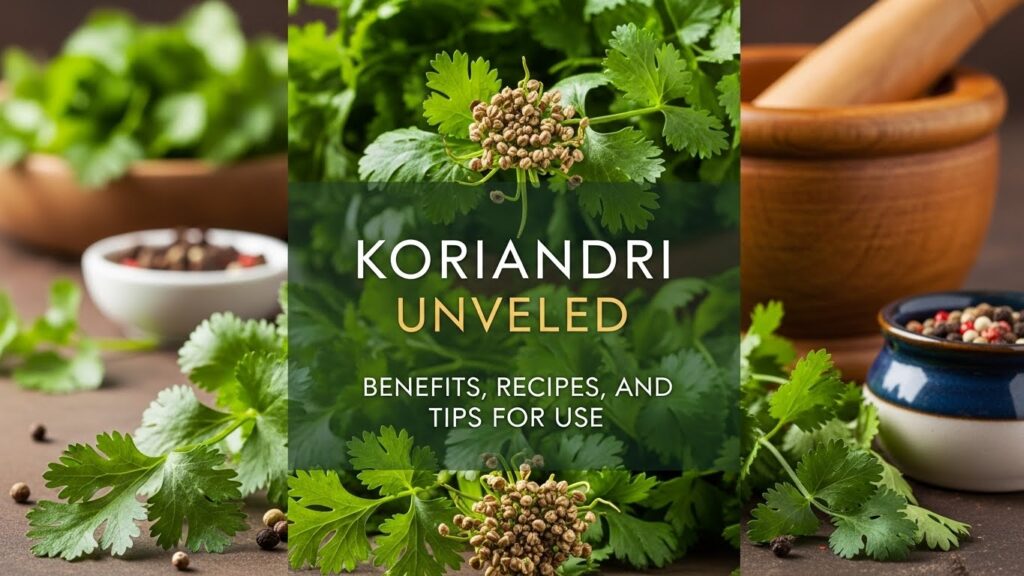
Koriandri, also known as coriander or cilantro, is more than just a garnish on your plate. This vibrant herb has been cherished for centuries across various cultures for its unique flavor and fragrance. Its history stretches back to ancient civilizations where it was used not only in culinary delights but also in traditional medicine. Today, this versatile herb continues to win hearts with its fresh taste and numerous health benefits.
Whether you’re an avid cook or someone looking to boost their wellness routine, understanding the full potential of koriandri can transform how you approach food and health. Dive into the aromatic world of koriandri as we explore its benefits, delicious recipes, and practical tips for incorporating this fantastic herb into your life!
Health Benefits of Koriandri
Koriandri, known as coriander or cilantro in many parts of the world, offers a wealth of health benefits. This aromatic herb is packed with antioxidants that fight oxidative stress and promote overall well-being.
Rich in vitamins A, C, and K, koriandri supports skin health and boosts immunity. Its anti-inflammatory properties can help reduce swelling and pain.
Moreover, koriandri aids digestion by stimulating digestive enzymes. It may also assist in alleviating bloating or gas.
Additionally, studies suggest that this herb has cholesterol-lowering effects. Regular consumption could lead to better heart health over time.
For those looking for natural detoxification remedies, koriandri shines bright due to its ability to remove heavy metals from the body. These qualities make it not just a flavorful addition but also a powerhouse for your diet.
Incorporating Koriandri into Your Diet: Recipes and Ideas
Koriandri can elevate your culinary creations with its vibrant flavor. Adding fresh koriandri leaves to salads instantly brightens them up. Try tossing chopped leaves into a classic cucumber and tomato salad for an aromatic twist.
If you enjoy cooking, consider blending dried koriandri seeds into spice mixes. They work beautifully in curries, lending warmth and depth to your dishes.
For a refreshing beverage, infuse water with sliced lemon and koriandri leaves. This drink is not only hydrating but also offers a unique flavor profile.
You might also experiment by incorporating Koriandri into homemade salsas or guacamole. The herb pairs wonderfully with avocados and tomatoes, adding freshness that’s hard to resist.
Don’t forget about soups! A sprinkle of chopped fresh leaves as a garnish will enhance the aroma while providing visual appeal.
Koriandri in Traditional Medicine and Ayurveda
Koriandri, commonly known as coriander, has been cherished in traditional medicine and Ayurveda for centuries. It is believed to possess a range of healing properties that promote overall well-being.
In Ayurvedic practices, koriandri is often used to balance the three doshas: Vata, Pitta, and Kapha. Its cooling nature makes it particularly beneficial for soothing Pitta imbalances like inflammation or digestive issues.
The seeds are ground into powder for medicinal remedies. This spice aids digestion and can help alleviate bloating and gas. Additionally, its antiseptic qualities make it useful in treating skin irritations.
Beyond physical ailments, koriandri plays a role in improving mental clarity and mood stability. Incorporating this herb into daily routines can enhance emotional health while providing nutritional benefits too.
Using koriandri not only enriches dishes but also connects you with age-old traditions of natural healing.
Tips for Growing Your Own Koriandri Plant
Growing your own koriandri plant can be a rewarding experience. Start by choosing a sunny spot in your garden or on a windowsill where it can receive at least six hours of sunlight daily.
Use well-draining soil, as koriandri prefers slightly moist conditions but hates waterlogged roots. A mix of potting soil and sand works wonders.
Plant the seeds about half an inch deep and keep them spaced to allow for growth. Water gently to avoid disturbing the seeds too much.
Koriandri thrives in temperatures between 60°F and 75°F (15°C – 24°C). If you live in a cooler climate, consider starting the seeds indoors before transplanting them outside after the last frost.
Regularly snip off any flowers that appear; this promotes leaf growth, which is what you want for culinary use!
Where to Find and How to Choose Quality Koriandri
When searching for quality koriandri, start by visiting local farmers’ markets. Fresh herbs often have more flavor and nutrients compared to store-bought options.
Look for vibrant green leaves that are free from wilting or browning. The aroma should be strong; a fragrant scent indicates freshness.
If you’re shopping at grocery stores, consider organic varieties when possible. Organic koriandri is less likely to contain pesticides.
Check the packaging date if purchasing dried or ground forms. Fresher products retain more health benefits and flavor.
For those who prefer online shopping, select reputable suppliers with positive reviews. This ensures you receive high-quality herb without unpleasant surprises.
Don’t hesitate to ask questions about sourcing and storage methods when buying from specialty shops or vendors. Knowledgeable sellers can provide insights into their products’ origins and handling techniques.
Precautions and Side Effects of Using Koriandri
Koriandri, often celebrated for its culinary and health benefits, is not without its precautions. Some individuals may experience allergic reactions. Symptoms can include itching, swelling, or difficulty breathing. If you notice any adverse effects after consuming koriandri, it’s wise to consult a healthcare professional.
Pregnant women should approach koriandri with caution. While small amounts in food are generally safe, excessive consumption might pose risks. Always check with your doctor before adding new herbs to your diet during pregnancy.
Additionally, those on blood-thinning medications should exercise care when using koriandri regularly due to its potential interaction with these drugs. Moderation is key to enjoying the benefits of this herb while minimizing side effects. Staying informed helps ensure that koriandri enhances rather than hinders your well-being.
Conclusion
Koriandri, also known as coriander or cilantro, is a herb that transcends culinary borders and enriches our plates with flavor and nutrition. Its history dates back thousands of years, revered in various cultures for both its taste and medicinal properties.
The health benefits associated with koriandri are impressive. Packed with vitamins A, C, K, and essential minerals like potassium and calcium, this humble herb aids digestion and supports heart health. Additionally, it possesses antioxidant properties that may help combat inflammation.
Incorporating koriandri into your diet can be an enjoyable adventure. Whether you sprinkle fresh leaves on tacos or blend them into vibrant sauces and dressings, the possibilities are endless. You might even enjoy experimenting with traditional recipes from different cuisines to discover new flavors.
Beyond the kitchen’s confines lies koriandri’s role in traditional medicine systems such as Ayurveda. Historically used to balance doshas (body energies), it has been valued for its potential digestive aid qualities.
For those inclined toward gardening, growing your own koriandri plant can be rewarding too! It thrives in well-drained soil under sunlight but remains sensitive to extreme heat—ideal for home gardens where care meets convenience.
When seeking quality koriandri at markets or stores, look for bright green leaves without wilting signs; fresher herbs yield better flavor profiles for cooking or healing uses alike.
While generally safe for most people when consumed in moderation, some may experience allergic reactions or interactions with certain medications; thus consulting a healthcare professional prior to significant use is wise.
Embracing koriandri opens up not just a world of flavor but also offers numerous health benefits alongside rich traditions rooted deep within human history—making it more than just an ingredient but rather an essential companion in healthy living.