
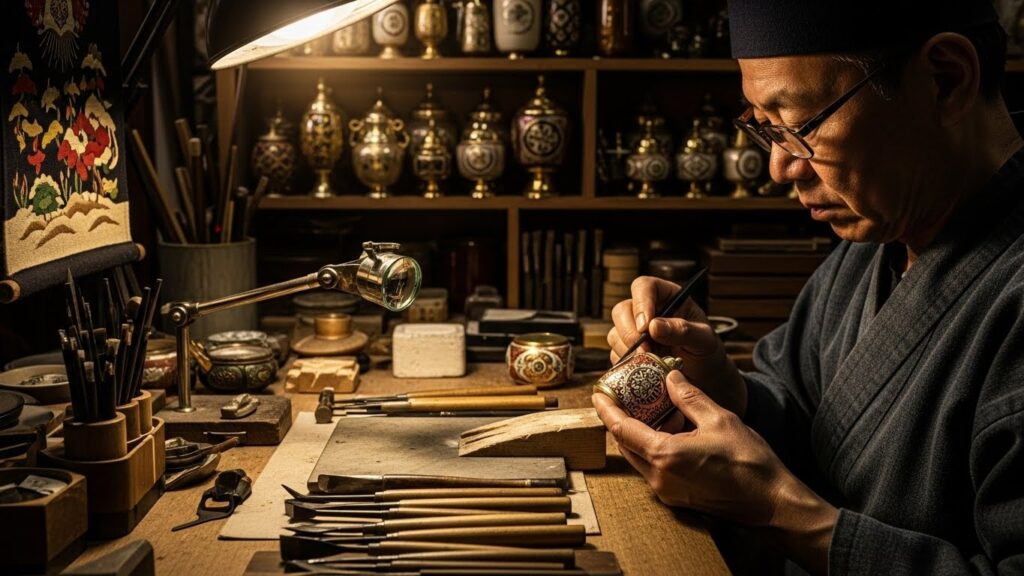
Soutaipasu is more than just a craft; it’s a vibrant expression of culture and tradition. This unique art form weaves together history, skill, and creativity, capturing the essence of generations past while continuing to evolve in modern settings. Whether you’re an art enthusiast or simply curious about global traditions, Soutaipasu invites you into its colorful world. Join us as we explore the fascinating journey of this remarkable craft, from its ancient roots to contemporary applications that keep it alive today. Each stitch tells a story—let’s unravel them together.
History and Origins of Soutaipasu
Soutaipasu has its roots deep in the rich cultural tapestry of its native region. This unique craft emerged centuries ago, blending tradition with artistry.
Historically, Soutaipasu was a means of expressing community identity. Artisans passed down techniques through generations, ensuring that each piece carried stories and heritage. The methodology evolved but remained true to its origins.
The craft found significance during local festivals and ceremonies, often serving as both decoration and functional art. As societies changed over time, so too did the patterns and styles.
Influences from various cultures enriched Soutaipasu’s development. Travelers brought new ideas that artisans adapted into their work, creating a dynamic interplay between old traditions and contemporary aesthetics.
Today’s practitioners honor these historical threads while innovating for modern audiences. Each creation tells not just a story but also showcases the resilience of this cherished art form amidst evolving times.
The Process of Making Soutaipasu
Creating Soutaipasu is a meticulous process that showcases the artisan’s skill. It begins with selecting high-quality materials, often sourced locally to ensure authenticity.
The crafting starts with shaping the base, using traditional tools. Artisans carefully mold each piece by hand, paying attention to detail at every step. This hands-on approach ensures that no two pieces are exactly alike.
Once shaped, the next stage involves intricate decoration. Skilled artisans use various techniques to embellish their work, adding personal touches and cultural symbols.
Drying takes time and patience as each item needs to set properly before further processing can occur. Finishing touches are applied through polishing or glazing, enhancing both beauty and durability.
This labor-intensive method reflects a deep respect for tradition and craftsmanship in every creation of Soutaipasu.
Materials Used in Soutaipasu
Soutaipasu is a captivating craft, deeply rooted in tradition. The materials used play a crucial role in its creation.
At the heart of Soutaipasu are natural fibers. These fibers, often sourced from local plants, provide flexibility and strength. Artisans carefully select each strand to ensure quality and durability.
Colorful dyes enhance the visual appeal. Many artisans use organic pigments derived from fruits, flowers, and minerals. This practice not only preserves the environment but also adds unique hues to every piece created.
Additionally, tools crafted from wood or bamboo aid artisans in their intricate work. Each tool has been honed over generations for precision and efficiency.
The combination of these materials creates a harmonious blend that embodies both beauty and functionality in Soutaipasu crafts.
The Cultural Significance of Soutaipasu
Soutaipasu carries deep cultural significance that extends beyond its aesthetic appeal. This craft is a testament to the skills and traditions passed down through generations, embodying the stories of those who create it.
Each piece reflects unique regional characteristics, influenced by local customs and beliefs. As artisans shape Soutaipasu, they weave their heritage into every detail.
In many communities, this craft serves as a medium for storytelling. Through intricate designs or patterns, artisans communicate historical narratives and cultural values.
Moreover, Soutaipasu plays an essential role in festivals and rituals. It often adorns ceremonies that celebrate life’s milestones—births, weddings, and even memorials—making it integral to communal identity.
The revival of interest in Soutaipasu has sparked pride among younger generations. They recognize its importance not just as art but as a connection to their ancestors’ way of life.
Modern Day Applications of Soutaipasu
Soutaipasu has found its way into contemporary design, captivating a new generation. Artisans are creatively blending traditional techniques with modern aesthetics, making it popular among interior designers.
You’ll find Soutaipasu elements in home decor items like vases and wall art. These pieces not only add character but also serve as conversation starters.
Fashion designers have tapped into this craft too, incorporating Soutaipasu patterns into textiles and apparel. The unique designs appeal to those seeking individuality in their wardrobe choices.
Social media platforms have further amplified interest in Soutaipasu. Artists showcase their creations online, inspiring others to explore this beautiful craft. Workshops and classes emerge regularly, inviting enthusiasts to learn the art firsthand.
The revival of Soutaipasu isn’t just about nostalgia; it’s about innovation that respects heritage while embracing modernity.
Preserving and Promoting the Art of Soutaipasu
Efforts to preserve Soutaipasu are gaining momentum. Artisans and enthusiasts join hands to keep this craft alive.
Workshops are being organized across communities, encouraging young people to learn the techniques. These gatherings serve as a bridge between generations.
Social media plays a vital role in promoting Soutaipasu. Artists showcase their creations online, attracting attention from global audiences. This exposure fosters appreciation for the craft beyond local boundaries.
Collaborations with schools and cultural institutions have also emerged. Educational programs highlight the importance of traditional crafts like Soutaipasu, instilling pride in heritage among students.
Local markets increasingly feature Soutaipasu products, providing artisans with platforms for visibility. The demand for handcrafted goods stimulates growth within this niche industry.
Through these initiatives, Soutaipasu is not just surviving; it’s thriving anew amidst modern trends and consumer preferences.
Conclusion
Soutaipasu represents a unique blend of artistry and cultural heritage. Its intricate designs and rich history make it more than just a craft; it’s a storytelling medium that connects generations. As modern artists embrace this traditional technique, there is hope for Soutaipasu to flourish in contemporary settings.
The revival of interest among younger creators ensures that Soutaipasu will not fade into obscurity. Workshops and exhibitions are becoming more common, helping to educate the public about its significance. The community’s dedication to preserving these skills highlights their importance in maintaining cultural identity.
As we celebrate Soutaipasu, we also recognize the artisans who keep this tradition alive. Their passion fuels creativity while bridging past and present through vibrant creations. Supporting local craftspeople can help sustain this art form for years to come.
Embracing Soutaipasu is an invitation to explore deeper meanings within craftsmanship while appreciating the beauty found in dedication and skillful hands.