
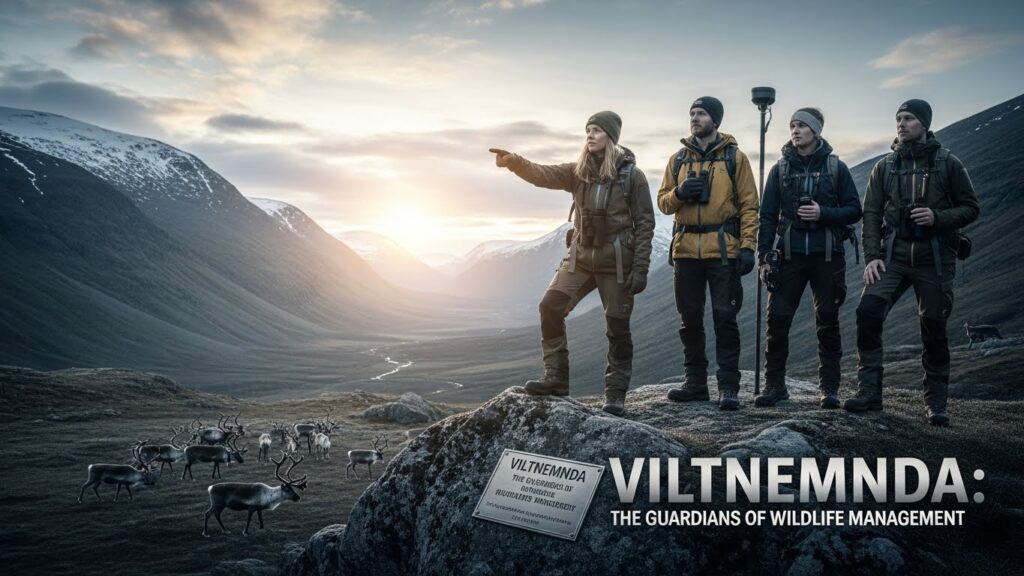
Imagine a world where wildlife thrives, ecosystems flourish, and nature’s balance is maintained. Welcome to the realm of Viltnemnda, the protectors of our natural heritage. These dedicated guardians play a vital role in ensuring that wildlife management is both effective and sustainable. With their expertise and passion for conservation, they stand at the forefront of initiatives designed to preserve biodiversity for future generations. Let’s delve deeper into how Viltnemnda shapes our understanding of wildlife management and why their work matters now more than ever.
The History and Purpose of Viltnemnda
Viltnemnda has deep roots in wildlife management, tracing its inception back to the early 20th century. Established to address increasing concerns over declining animal populations and habitat destruction, its mission emerged from a need for organized oversight.
The primary purpose of Viltnemnda is multi-faceted. It aims to ensure sustainable use of wildlife resources while balancing ecological integrity with human interests. This task involves collaboration among local communities, government entities, and environmental organizations.
As societal values around conservation have evolved, so too has Viltnemnda’s approach. Adapting strategies based on scientific research allows them to tackle contemporary issues effectively. The organization serves as a vital link between various stakeholders invested in preserving nature’s balance.
Through education and engagement initiatives, Viltnemnda continuously seeks to raise awareness about the importance of maintaining biodiversity for future generations’ benefit.
The Role of Viltnemnda in Wildlife Management
Viltnemnda plays a crucial role in the intricate web of wildlife management. Tasked with overseeing local ecosystems, its members work diligently to ensure a balance between human activities and wildlife needs.
One key responsibility is assessing animal populations and their habitats. This data informs decision-making processes that affect hunting regulations and conservation initiatives. By staying informed, Viltnemnda helps maintain sustainable practices.
Collaboration is another vital aspect of their work. Engaging with communities, stakeholders, and researchers fosters an inclusive approach to wildlife management. Through education and outreach programs, they raise awareness about biodiversity’s importance.
Additionally, Viltnemnda addresses conflicts arising from human-wildlife interactions. By implementing conflict resolution strategies, they help protect both people and animals while promoting coexistence within shared spaces. Their proactive stance ensures harmony in nature’s delicate balance without compromising safety or ecological integrity.
Viltnemnda’s Approach to Conservation and Preservation
Viltnemnda adopts a holistic approach to conservation and preservation, recognizing the interconnectedness of ecosystems. By fostering collaboration among various stakeholders, they ensure that wildlife management strategies are both effective and sustainable.
Education plays a key role in their initiatives. Viltnemnda engages local communities through workshops and outreach programs. This empowers residents to understand the importance of biodiversity and their role in protecting it.
Moreover, evidence-based research drives their policies. They constantly analyze population dynamics and habitat conditions to make informed decisions on species protection.
The organization also prioritizes restoration projects, focusing on rehabilitating degraded habitats. These efforts help restore balance within ecosystems while improving conditions for native wildlife.
By integrating traditional knowledge with modern science, Viltnemnda creates comprehensive strategies that benefit both nature and society. Their commitment shines through every initiative designed to maintain ecological integrity for future generations.
Challenges Faced by Viltnemnda
Viltnemnda faces several challenges in its mission to manage wildlife effectively. One significant hurdle is balancing human interests with the needs of various species. As urban areas expand, conflicts between wildlife and people become more common.
Another issue arises from climate change. Shifts in weather patterns disrupt ecosystems, affecting animal migration and food sources. Viltnemnda must adapt quickly to these changes while ensuring that conservation efforts remain effective.
Funding limitations also pose a challenge. Resources for wildlife management often fall short, making it difficult to implement long-term strategies or emergency responses when crises arise.
Moreover, public perception plays a crucial role in their work. Misunderstandings about wildlife management can lead to resistance against necessary measures like hunting regulations or habitat restoration initiatives.
These obstacles require innovative solutions and strong community engagement for sustainable progress in preserving Norway’s diverse fauna.
Success Stories of Viltnemnda’s Impact
Viltnemnda has achieved remarkable successes in wildlife management across various regions. One notable story involves the recovery of endangered species, such as the European bison. Through careful monitoring and habitat restoration efforts, populations have surged, demonstrating how effective their strategies can be.
Another impressive initiative focused on mitigating human-wildlife conflict. Viltnemnda worked closely with local communities to implement coexistence programs. This collaboration led to reduced incidents of crop damage while ensuring that wildlife habitats remained intact.
Their educational outreach also deserves recognition. Workshops and community events have fostered a deeper understanding of biodiversity among residents. Engaging people in conservation creates lasting advocates for wildlife protection.
Such success stories highlight Viltnemnda’s dedication to sustainable practices and community involvement, showcasing the tangible benefits of their approach to wildlife management.
The Importance of Viltnemnda for the Future of Wildlife Management
Viltnemnda plays a crucial role in shaping the future of wildlife management. This organization not only addresses immediate issues but also anticipates long-term challenges in biodiversity conservation.
By fostering sustainable practices, Viltnemnda ensures that ecosystems remain balanced. They create guidelines that emphasize harmony between human activities and wildlife needs.
Education is another vital aspect of their work. Raising awareness about local species helps communities understand their importance. Engaging with the public cultivates respect for nature, encouraging responsible behavior.
Through innovative research initiatives, Viltnemnda collects valuable data on animal populations and habitats. This information drives effective policy-making aimed at protecting vulnerable species.
Their collaborative approach brings together stakeholders from various sectors. By uniting efforts across government bodies, non-profits, and local communities, they amplify the impact of conservation programs significantly.
Conclusion
Viltnemnda plays a crucial role in the delicate balance of wildlife management. As guardians of our natural resources, they ensure that both animal populations and ecosystems are maintained sustainably. Their commitment to conservation reflects an understanding of the interconnectedness of life.
The challenges they face are significant but not insurmountable. With dedication and innovative approaches, Viltnemnda continues to adapt and thrive in an ever-changing environment. Success stories highlight their positive impact on local biodiversity, showcasing how thoughtful management can lead to flourishing wildlife.
Looking ahead, the importance of Viltnemnda cannot be overstated. They stand as a beacon for future initiatives aimed at preserving our planet’s rich heritage for generations to come. The ongoing efforts by this vital organization assure us that there remains hope for wildlife amidst growing environmental pressures. Protecting nature is not just a duty; it’s essential for our shared future.