
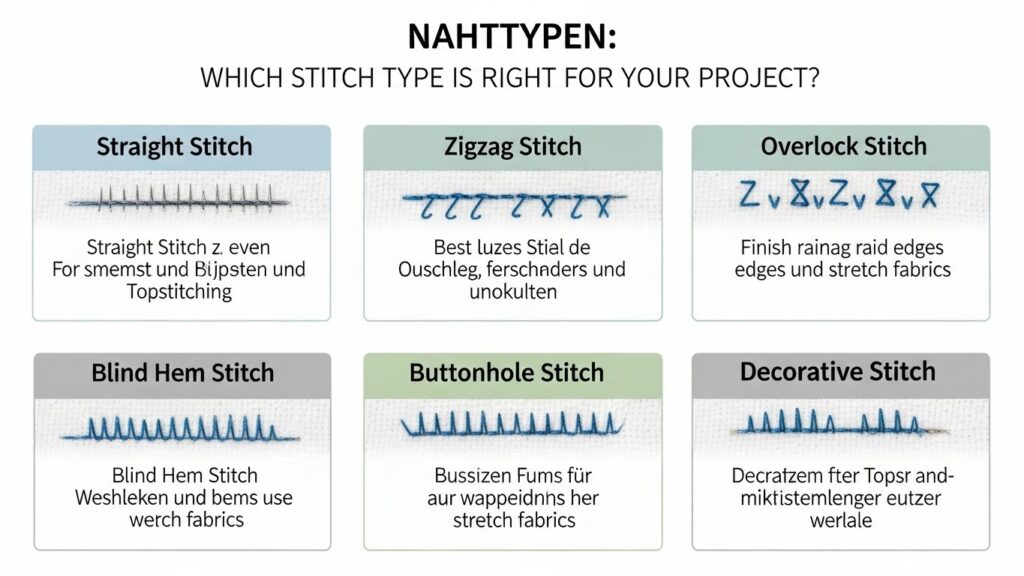
Stitching is at the heart of every sewing project, weaving together fabric and creativity. But did you know that choosing the right stitch type can make or break your masterpiece? Whether you’re a novice ready to tackle your first DIY or an experienced sewer looking to elevate your creations, understanding different stitch types is essential. From hand-stitched techniques that add a personal touch to machine-stitched precision for speed and efficiency, each nahttypen offers unique benefits. Let’s dive into the world of stitches and discover which ones are perfect for your next crafting adventure!
Hand-Stitched vs Machine-Stitched
Hand-stitching and machine-stitching each bring their own flair to sewing projects. Hand-stitches offer a personal touch that machines simply can’t replicate. Many sewers appreciate the control they have over every stitch, allowing for intricate designs and adjustments as they go.
On the other hand, machine stitching is all about speed and efficiency. It revolutionizes the way we sew, making it possible to complete larger projects in a fraction of the time. With various settings and stitches available at your fingertips, you can achieve consistent results across numerous fabrics.
Choosing between these two methods often depends on your project’s requirements. For detailed work or delicate fabrics, hand-stitching might be preferable. If you’re tackling something more substantial or time-sensitive, a sewing machine could be your best ally. Each technique has its unique benefits; embracing both can elevate your crafting skills immensely.
Basic Stitches for Sewing Beginners
Starting your sewing journey can be exciting and a bit overwhelming. Basic stitches form the foundation of all sewing projects.
The straight stitch is perhaps the most essential. It’s simple but incredibly versatile, perfect for seams and hems alike. Master this, and you’ll feel more confident in tackling various patterns.
Next up is the zigzag stitch. This one prevents fabric edges from fraying while allowing for some stretch—ideal for knits or slippery fabrics.
Don’t overlook the basting stitch either; it’s temporary but crucial for holding pieces together before making permanent stitches. It helps ensure everything lines up perfectly.
As you practice these basic stitches, play with tension settings on your machine to find what works best for you. Each little tweak can make a significant difference in how your final piece looks and feels!
Decorative Stitches for Advanced Sewers
Decorative stitches elevate your sewing projects to the next level. They add flair and personality, transforming simple seams into eye-catching details.
Advanced sewers often embrace techniques like scallops, zigzags, and even complex embroidery patterns. These stitches can enhance hems, borders, or any area needing a visual boost.
Experimenting with thread colors plays a crucial role in decorative stitching. A contrasting thread can make a stitch pop against the fabric background.
Don’t shy away from mixing stitch types; combining straight lines with curves creates unique textures that draw attention.
When working on intricate designs, patience is key. Precision helps maintain consistency throughout your project.
Using specialty presser feet allows for more creativity and ease when applying these decorative elements. Tools like walking feet or free-motion feet open up new possibilities for artistic expression in your work.
Choosing the Right Stitch Type for Your Project
Choosing the right stitch type can make a significant difference in your project’s outcome. Consider the fabric you’re working with first. Some materials, like silk, require delicate stitches to prevent damage.
Next, think about the purpose of your item. If durability is key — like for outerwear or bags — opt for strong stitches such as zigzag or straight. For garments that need flexibility and stretch, look at stretch stitches designed specifically for knit fabrics.
Don’t overlook aesthetics either. Decorative stitching can elevate simple pieces into something special. Look into options like satin or embroidery stitches if you want to add flair.
Always test on scrap fabric before committing to your main piece. This helps ensure you’re making the best choice without ruining your hard work! Trust your instincts and experiment; this can lead to surprising and delightful results in your sewing projects.
Understanding Fabric and Thread Compatibility
Choosing the right fabric and thread is crucial for a successful sewing project. Different materials have unique properties that can affect how stitches hold up over time.
For lightweight fabrics like chiffon or silk, opt for fine threads. They create delicate seams without adding bulk. A heavier thread could cause puckering or distortion in these soft textiles.
On the other hand, sturdy fabrics such as denim require thicker threads. This ensures durability and helps maintain the integrity of your seams under strain.
Consider stretch fabrics too. Using a polyester or cotton blend thread provides flexibility while maintaining strength. This compatibility allows your seams to move with the fabric rather than against it.
Always check the label on both fabric and thread for recommendations. These tips help avoid headaches down the line and ensure a polished finish on every project you tackle.
Tips for Improving Your Stitching Skills
Practice makes perfect. Set aside time each week to hone your stitching skills. The more you sew, the better you’ll become.
Experiment with different fabrics and threads. Each material behaves differently under a needle. Learning how they interact will enhance your technique.
Don’t shy away from using a sewing guide or tutorials online. Visual aids can clarify complex stitches or techniques that may seem daunting at first.
Invest in quality tools as well. A good pair of scissors and sharp needles can make all the difference in achieving clean, crisp stitches.
Pay attention to tension settings on your machine too. Proper tension ensures even stitching, preventing frustration during projects.
Learn to embrace mistakes as part of the journey. Analyzing what went wrong helps build problem-solving skills essential for any sewer’s growth.
Conclusion
When it comes to selecting the right stitch type, a few key factors come into play. Understanding your project’s needs is crucial. Whether you’re working on a simple garment or an intricate quilt, the choice of Nahttypen can greatly affect both aesthetics and durability.
Always consider the fabric you’re using as well. Different materials require specific stitches for optimal results. Pairing fabrics with compatible threads can enhance your finished product’s look and longevity.
Improving stitching skills takes practice and patience. Experimenting with various stitch types will help you discover what works best for you and your projects.
Choosing the correct stitch elevates any sewing experience from basic to extraordinary. Embrace creativity while respecting functionality—your projects will thank you!