
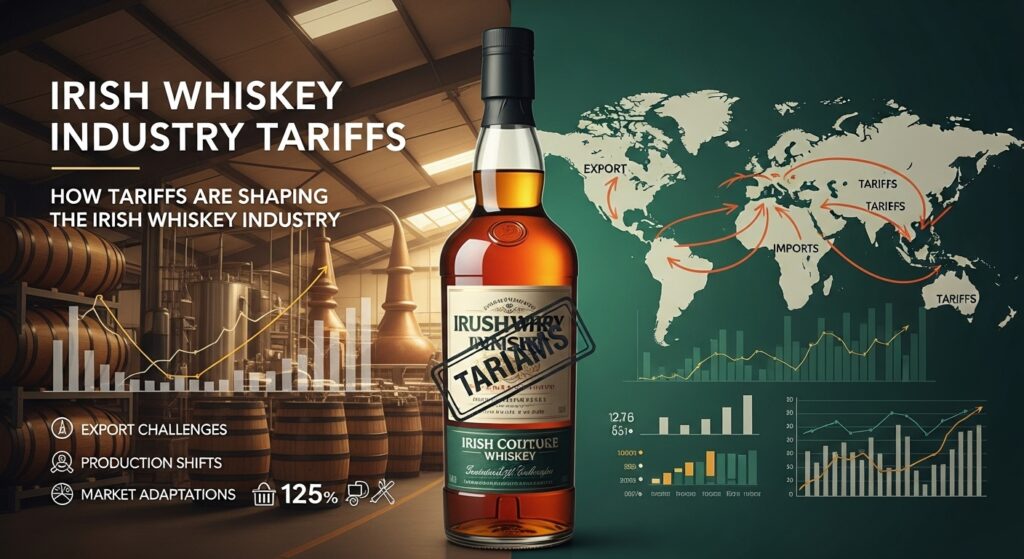
Irish whiskey has long captured the hearts and palates of enthusiasts around the globe. With its rich history, unique flavors, and craftsmanship, it stands as a symbol of pride for Ireland. From cozy pubs in Dublin to upscale bars in New York City, this spirit has woven itself into the fabric of social gatherings worldwide.
But what happens when external forces like tariffs start influencing this beloved industry? As global trade dynamics shift, they bring challenges that ripple through every barrel and bottle. Understanding how these tariffs are shaping the Irish whiskey landscape is crucial for producers and consumers alike. Let’s delve into the intricate world of Irish Whiskey Industry Tariffs and explore their far-reaching effects on one of Ireland’s most cherished exports.
Impact of Tariffs on the Irish Whiskey Industry
Tariffs are reshaping the landscape of the Irish whiskey industry, introducing new challenges for producers and exporters alike. As international trade tensions rise, these tariffs can inflate prices and reduce market access.
For small distilleries, this impact can be especially pronounced. Increased costs may force them to reconsider their pricing strategies or focus on domestic markets instead of expanding internationally.
Larger brands might absorb some costs but still feel pressure from consumers who become more price-sensitive in uncertain economic climates. This could lead to shifts in brand loyalty as drinkers opt for more affordable alternatives.
Moreover, tariffs can disrupt established supply chains, affecting everything from ingredient sourcing to distribution logistics. The ripple effects touch every corner of the industry—from production floors to retail shelves—ultimately shaping how Irish whiskey is perceived globally.
Current Tariffs on Irish Whiskey and Their Effects
Current tariffs on Irish whiskey, particularly in key markets like the United States, are causing significant challenges for producers. A 25% tariff imposed during recent trade disputes has reshaped pricing strategies and market access.
These tariffs have made Irish whiskey less competitive against other spirits. Consumers may opt for local alternatives due to increased costs. This shift could lead to a decline in sales volumes.
Producers are feeling the pinch, with some smaller distilleries facing existential threats. Larger brands might absorb costs temporarily but can’t sustain this indefinitely without impacting quality or innovation.
Additionally, the uncertainty surrounding future tariff changes complicates long-term planning for many businesses within the industry. Companies must navigate these turbulent waters carefully while remaining committed to their heritage and craftsmanship. The stakes couldn’t be higher as they strive to maintain their global presence amidst shifting economic policies.
How Other Countries’ Tariffs Affect the Irish Whiskey Market
Tariffs imposed by countries outside of Ireland play a crucial role in shaping the landscape of the Irish whiskey market. For instance, when major importers like the United States levy tariffs on imported spirits, it directly affects the cost structure for distilleries.
Higher costs often translate to increased prices for consumers. This can deter potential buyers and diminish sales volumes across various regions.
Countries such as Canada or Australia also have their own tariff structures that impact pricing strategies for Irish whiskey brands. The complexity of these international regulations creates a challenging environment where Irish producers must navigate carefully.
Emerging markets may impose different tariffs, creating opportunities and obstacles alike. Understanding these dynamics is essential for any stakeholder looking to thrive in the global whiskey scene.
Responses from Major Players in the Industry
The Irish whiskey industry is responding dynamically to the challenges posed by tariffs. Major distilleries are collaborating more than ever, forming alliances that amplify their collective voice in advocating for fair trade practices.
Leading brands have ramped up their lobbying efforts, engaging with policymakers to highlight the economic impact of these tariffs. They’re not just focusing on domestic markets; global outreach has become a priority to mitigate losses.
Some companies are also diversifying their product lines. By introducing new expressions and limited editions, they aim to capture consumer interest while navigating fluctuating pricing structures caused by tariffs.
Additionally, innovative marketing strategies are emerging. Distillers leverage social media and digital platforms to connect directly with consumers, emphasizing the quality and craftsmanship of Irish whiskey despite external pressures. This proactive approach keeps enthusiasts engaged and loyal during uncertain times in the market.
Strategies for Navigating Tariffs in the Irish Whiskey Industry
Navigating tariffs in the Irish whiskey industry requires strategic thinking and adaptability. Producers are exploring innovative ways to manage costs while maintaining quality.
One effective strategy is diversifying markets. By expanding into countries with lower or no tariffs, distilleries can offset losses from regions facing high import duties.
Collaboration plays a crucial role as well. Distillers can join forces for joint marketing campaigns, leveraging collective strength to increase brand visibility and reduce individual expenses.
Investing in local production facilities can also mitigate tariff impacts. Establishing operations closer to key markets helps minimize shipping costs and circumvent import fees.
Furthermore, educating consumers about the value of premium Irish whiskey fosters loyalty. When customers appreciate quality over price differences caused by tariffs, brands benefit through sustained sales despite economic shifts.
Predictions for the Future of Irish Whiskey and Tariffs
As the Irish whiskey landscape evolves, so too will the tariffs that shape its future. Industry experts anticipate a gradual easing of trade tensions. This could lead to reduced tariffs on exports, opening new markets for distillers.
Sustainability is another focal point. With increasing consumer demand for eco-friendly products, distilleries may invest in greener production methods. This shift could enhance brand reputation while navigating tariff challenges.
Innovation will play a crucial role as well. Distillers might explore unique blends and limited editions to capture consumer interest despite potential price hikes from tariffs.
The global palate continues to expand; emerging markets present opportunities for growth. If tariffs remain stable or decrease, Irish whiskey could become even more accessible worldwide, attracting new enthusiasts and collectors alike.
Adaptability will be key as producers respond to both market changes and regulatory environments in this dynamic industry landscape.
Conclusion
The landscape of the Irish whiskey industry is undeniably intricate and ever-evolving. Tariffs have emerged as a significant factor influencing production, importation, and pricing strategies. As global markets fluctuate, understanding these tariffs becomes crucial for producers and consumers alike.
With major players in the industry adapting their strategies to navigate this complexity, resilience remains key. The adaptability of distilleries showcases their commitment not only to quality but also to sustaining growth despite economic pressures.
Looking ahead, the intersection of politics and commerce will continue to shape the future of Irish whiskey. Keeping an eye on legislative changes and market trends will be essential for all stakeholders involved in this beloved spirit’s journey from barrel to bottle.
The passion behind every sip reminds us that while challenges persist, so does innovation within this storied industry. Whether you are a seasoned connoisseur or new to exploring these rich flavors, one thing is certain: the world of Irish whiskey will keep evolving amidst its own unique set of challenges.