
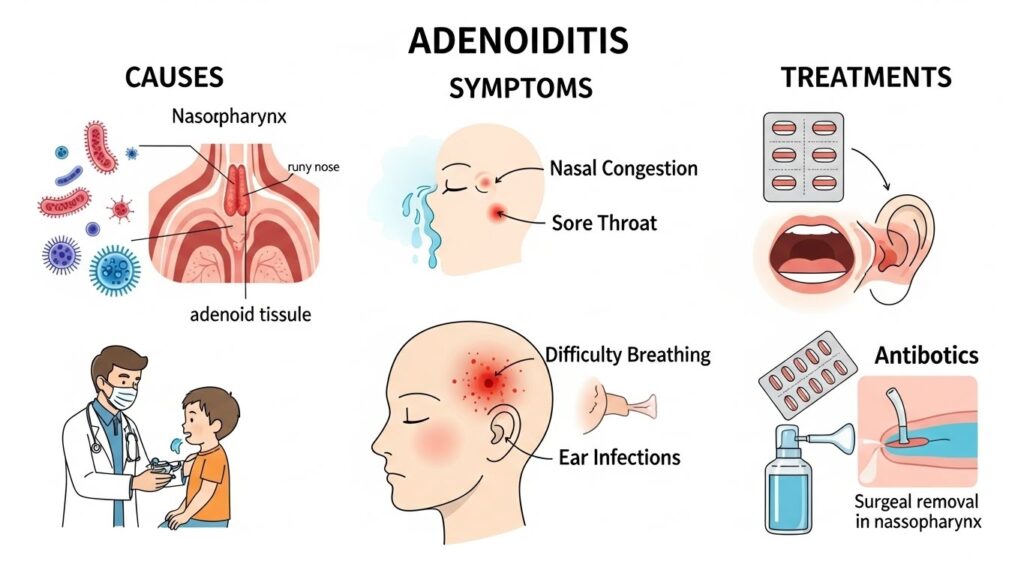
Are you familiar with adenoiditis? It’s a condition that affects many children and, occasionally, adults. But what exactly are the adenoids? These small glands play a crucial role in our immune system. When they become swollen or infected, it can lead to discomfort and other health issues. Understanding adenoiditis is essential for parents and caregivers alike. Join us as we explore the causes, symptoms, treatment options, and prevention tips related to this often-overlooked condition. Your knowledge could help someone breathe easier!
What are Adenoids and What is their Function?
Adenoids are small, lymphatic tissue located at the back of the nasal cavity. They play a crucial role in your immune system, especially during childhood.
These glands help trap and filter bacteria and viruses that enter through the nose and mouth. By doing so, they assist in preventing infections from spreading to other parts of the body.
As children grow older, adenoids tend to shrink naturally. In many cases, they become less relevant as other immune defenses take over.
Despite their shrinking size over time, healthy adenoids can still provide protection against respiratory infections and illnesses during early development. Their function is particularly important when kids are exposed to various pathogens while building immunity.
Causes of Adenoiditis
Adenoiditis occurs when the adenoids become inflamed, often due to infections. Viruses and bacteria are common culprits, particularly during cold and flu seasons.
Children are especially prone to this condition because their immune systems are still developing. When they encounter pathogens, their bodies may react strongly, leading to swollen adenoids.
Allergies can also play a significant role in causing adenoiditis. Allergens like pollen or pet dander can irritate the tissues in the throat and nose, triggering inflammation.
Environmental factors such as pollution or secondhand smoke further exacerbate these issues. These irritants weaken the body’s defenses and make it easier for infections to take hold.
In some cases, frequent upper respiratory infections contribute to recurrent bouts of adenoiditis. The more exposure children have to germs at school or daycare centers, the higher their risk becomes.
Symptoms of Adenoiditis
Adenoiditis can manifest through a variety of symptoms that may vary in severity. One of the most common signs is nasal congestion, which often leads to difficulty breathing through the nose. This can make simple tasks like sleeping or eating quite challenging.
Children with adenoiditis might experience persistent coughing, especially at night. The cough usually worsens during sleep and can disturb both the child’s rest and that of others nearby.
Other noticeable symptoms include ear infections, as swollen adenoids can block Eustachian tubes. This blockage creates an environment ripe for bacteria to thrive.
Foul-smelling breath is another sign linked to this condition, primarily due to trapped mucus and bacteria in the throat.
Fatigue may accompany these symptoms since constant discomfort can lead to poor sleep patterns. Recognizing these signs early on is essential for effective management.
Diagnosing Adenoiditis
Diagnosing adenoiditis involves several steps to ensure accurate identification. A healthcare professional will start with a comprehensive medical history. This helps them understand symptoms and any related health issues.
Next, a physical examination is conducted. The doctor may look inside the throat using a lighted instrument to assess the size of the adenoids. Swelling or redness can indicate inflammation.
Sometimes, additional tests are necessary for clarity. Imaging studies like X-rays can reveal enlargement of the adenoids more clearly than a simple exam alone.
In some cases, doctors might recommend allergy testing or blood work to rule out other causes for recurring infections or respiratory problems.
Each diagnosis is tailored individually, ensuring that all aspects of a patient’s health are considered before determining an appropriate treatment plan.
Treatment Options for Adenoiditis
Treatment for adenoiditis often starts with conservative approaches. Physicians frequently recommend rest and hydration to help the body heal. Over-the-counter pain relievers can alleviate discomfort and reduce fever.
If symptoms persist or worsen, antibiotics may be necessary, especially if a bacterial infection is suspected. It’s crucial to follow the prescribed course to ensure complete recovery.
In more severe cases, when chronic adenoiditis disrupts normal breathing or sleep patterns, surgical options might be explored. Adenoidectomy, the removal of the adenoids, is a common procedure that can provide long-term relief.
Lifestyle adjustments also play an important role in managing this condition. Ensuring good nasal hygiene through saline sprays or rinses can help keep airways clear and minimize irritation from allergens or irritants. Regular check-ups allow for monitoring and timely intervention as needed.
Prevention Tips for Adenoiditis
Preventing adenoiditis starts with maintaining good hygiene. Encourage frequent handwashing, especially before meals or after being in crowded places. This simple practice can reduce the spread of infections that lead to adenoid inflammation.
A healthy diet plays a crucial role too. Foods rich in vitamins and minerals boost the immune system. Incorporate fruits, vegetables, and whole grains into daily meals for better overall health.
Stay hydrated to help your body fight off infections more effectively. Drinking plenty of water keeps mucous membranes moist, reducing irritation in the throat and nasal area.
Avoid exposure to allergens whenever possible. Dust mites, smoke, and pet dander can trigger symptoms related to adenoid issues.
Regular check-ups with a healthcare professional are essential for early detection of potential problems. Keeping track of any recurring respiratory infections is key in managing health proactively.
Conclusion
Adenoiditis can significantly impact the health and well-being of both children and adults. Understanding what adenoids are, their purpose, and how they can become inflamed is crucial for recognizing potential issues early on.
By being aware of symptoms such as difficulty breathing, chronic nasal congestion, or frequent ear infections, you can seek timely medical advice. Diagnosis typically involves a thorough examination by a healthcare professional who may recommend imaging tests.
Treatment options range from home remedies to surgical interventions, depending on severity. Regular check-ups with your doctor can help monitor the condition and prevent complications.
Taking preventive measures like encouraging good hygiene practices and avoiding allergens will also serve you well in reducing the risk of developing adenoiditis.
Staying informed about this common yet often overlooked condition empowers individuals to make proactive choices regarding their health.