
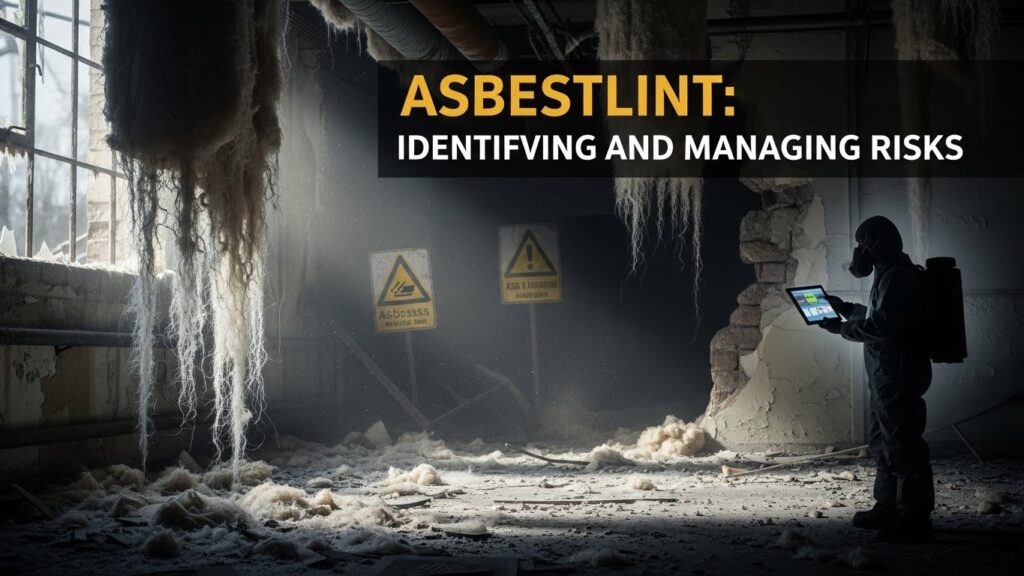
Asbestlint is a term that may not come up in everyday conversation, but its implications are crucial for your health and safety. This seemingly innocuous material has a long history tied to construction and manufacturing, yet it holds hidden dangers that many people overlook. Understanding asbestlint is vital, especially if you live or work in older buildings. Whether you’re seeking information for personal knowledge or practical guidance on managing risks, this article dives deep into what asbestlint really means and why it’s essential to identify and handle it correctly. Let’s unravel the mystery behind asbestlint together!
What is Asbestlint?
Asbestlint, often referred to as asbestos tape, is a type of insulation material commonly used in older buildings. It consists of woven fibers infused with asbestos, which was celebrated for its fire-resistant properties.
Typically found around pipes, ducts, and other heat-generating equipment, asbestlint served an essential purpose during its prime years. However, the very characteristics that made it useful also pose significant health risks.
When disturbed or damaged, the fibers can become airborne. Inhalation of these microscopic particles can lead to severe respiratory issues over time. This makes awareness and caution vital when dealing with any materials suspected to contain asbestos.
Recognizing what asbestlint is helps you take appropriate actions if you encounter it in your home or workplace environment.
The History of Asbestlint
Asbestlint, a type of asbestos-containing material used primarily for insulation and fireproofing, has a complex history. Its use dates back to the late 19th century when its durability and resistance to heat made it an attractive choice in construction.
Throughout the early to mid-20th century, asbestlint became increasingly popular. Builders appreciated its effectiveness in various applications, from pipe insulation to ceiling tiles. However, this widespread usage came with significant oversight gaps.
By the 1970s, concerns began surfacing regarding the health effects associated with asbestos exposure. Researchers linked inhalation of asbestos fibers to severe respiratory conditions and cancers such as mesothelioma.
Over time, regulations tightened around its production and use. Many countries have since banned or severely restricted the use of all forms of asbestos materials due to their hazardous nature. As awareness grew, so did efforts aimed at safe removal practices in homes and workplaces across the globe.
Health Risks Associated with Asbestlint Exposure
Exposure to asbestlint poses significant health risks that can manifest long after initial contact. Asbestos fibers, when inhaled, can lead to serious respiratory issues.
One of the most concerning conditions is asbestosis, a chronic lung disease causing scarring and breathing difficulties. This condition develops gradually but has long-term implications on quality of life.
Another alarming risk is mesothelioma, a rare yet aggressive cancer primarily affecting the lining of the lungs and abdomen. Even minimal exposure can increase your chances significantly.
Additionally, asbestos-related lung cancer presents another threat; symptoms may not appear until decades later. The cumulative effects make it crucial for individuals to understand these dangers associated with asbestlint exposure in their surroundings.
Protecting yourself from this hidden menace requires awareness and action regarding any potential presence within homes or workplaces.
How to Identify Asbestlint in Your Home or Workplace
Identifying asbestlint can be challenging, especially since it often hides in plain sight. Start by inspecting older materials like insulation, roofing tiles, or floor coverings that were installed before the 1980s.
Look for fibers that appear dusty or frayed. Asbestlint typically has a fibrous texture and may release tiny particles into the air when disturbed.
Check areas with wear and tear, such as around pipes or electrical fixtures. If you notice peeling paint or crumbling drywall, these could also be signs of potential asbestos presence.
Take note of any suspicious smells or unusual dust accumulation; these might indicate an underlying issue related to asbestlint. Always use caution during your inspection—don’t disturb potentially hazardous materials without proper protection.
If you suspect asbestlint in your environment but are uncertain about its presence, consider hiring a certified professional to conduct thorough testing and analysis.
Managing and Removing Asbestlint Safely
Managing and removing asbestlint safely is crucial to protect your health. Always start by assessing the area for potential exposure. If you suspect asbestlint, avoid disturbing it.
Hire a certified professional with experience in asbestos abatement. They have the right tools and training to handle hazardous materials properly. Ensure that they follow local regulations during removal.
If you’re tackling small areas yourself, wear protective gear like respirators and disposable coveralls. Seal off the work area with plastic sheeting to contain dust and fibers.
Use wet methods when working with asbestlint, as this can minimize airborne particles. Never vacuum or sweep up debris unless you have specialized equipment designed for asbestos cleanup.
Dispose of any contaminated materials according to local guidelines. It’s essential not only for your safety but also for the environment around you.
Regulations and Guidelines for Dealing with Asbestlint
Dealing with asbestlint requires a clear understanding of regulations and guidelines. Various countries have established strict protocols to manage asbestos materials safely.
In the United States, the Environmental Protection Agency (EPA) oversees asbestos management. They provide comprehensive guidelines for identification, removal, and disposal of asbestlint. Compliance with these regulations is crucial for public safety.
Similarly, in Europe, the European Union has laid down directives that member states must adopt. These regulations focus on minimizing exposure risks in both residential and commercial properties.
Local laws can vary significantly too. Always check state or provincial legislation regarding asbestlint handling practices to ensure compliance.
Employers are also responsible for providing training to employees who might encounter asbestlint during their work tasks. Proper education helps mitigate risks associated with improper handling or accidental exposure.
Conclusion: Importance of Properly Handling Asbestlint for Safety and Health
Understanding the risks associated with asbestlint is crucial for ensuring safety and health in our environments. As this material has been widely used in construction and various industries, it’s important to recognize its presence in both homes and workplaces. Proper identification techniques can help prevent exposure to harmful fibers.
When dealing with asbestlint, prioritizing safe management practices is essential. This includes professional assessments and removals by certified specialists who understand the hazards involved. Compliance with regulations ensures that you’re taking the necessary steps to minimize health risks.
Education on this topic empowers individuals to protect themselves and their loved ones effectively. By recognizing the importance of handling asbestlint appropriately, we contribute actively towards safer living spaces for everyone. Emphasizing safety protocols creates a healthier future free from unnecessary risk related to asbestos exposure.